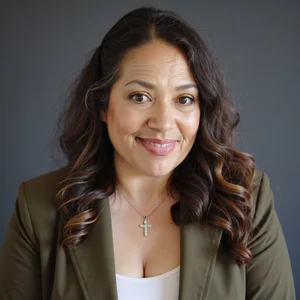
Eugene, Oregon
The First Time I Woke Up in Eugene, Oregon
The first time I really woke up in Eugene, Oregon was when I walked into the courthouse.
I’d been to courtrooms before. I’d seen the system. But that day was different. I walked in and noticed there were no Black people’s faces on the wall. Just a sea of white faces. Portraits of judges, sheriffs, commissioners. Generation after generation of the same skin, the same eyes, staring down from the walls like they owned the air in the room.
I walked into the sheriff’s office and saw it again. A sea of white faces for generations. Framed. Honored. Remembered. And not one looked like me.
I simply said, “Lord have mercy.” Out loud, maybe. In my head, definitely.
And then I thought: Where is Barack Obama? Where is Kamala Harris? No portrait. No nod. No sign that anyone Black had ever held power in this place, or even walked these halls as more than a defendant.
That was the first time I realized how criminalization and the courts in Oregon did not have people that looked like me. Not on the walls. Not on the bench. Not in the jury box. But plenty of us in shackles.
I’m biracial. I’ve lived in California and Oregon. I know what it’s like to be too Black for one room and too white for another. But standing in that courthouse, I wasn’t confused. I was clear. I was awake.
Because when you don’t see yourself anywhere — not in the history, not in the leadership, not even in the art on the wall — the message is simple: You were never meant to be here. Not as anything but a case number.
That’s why I’m editing my book now. That’s why the cover was just created. Because somebody has to tell what it feels like to walk into a building that calls itself justice and realize you’ve been erased from the picture before you even open your mouth.
2023 with the Eugene Police Department showed me racism and the criminal justice system up close. But that day in the courthouse showed me something else: it’s not an accident. It’s architecture. When every portrait is white, every precedent is white, every “honorable” is white — how do you expect Black and brown folks to get a fair shake?
Juneteenth reminds me we were freed on paper before we were freed in practice. Walking into that courthouse reminded me we still aren’t free in practice. Not when the walls tell you who belongs and who doesn’t.
I walked out of there different. I said “Lord have mercy,” but I also said “Lord, let me write.” Because if they won’t hang our faces on the wall, I’ll put our stories on the page.
That was the day I woke up in Eugene. And I haven’t been asleep since.
*Cathrynmharris